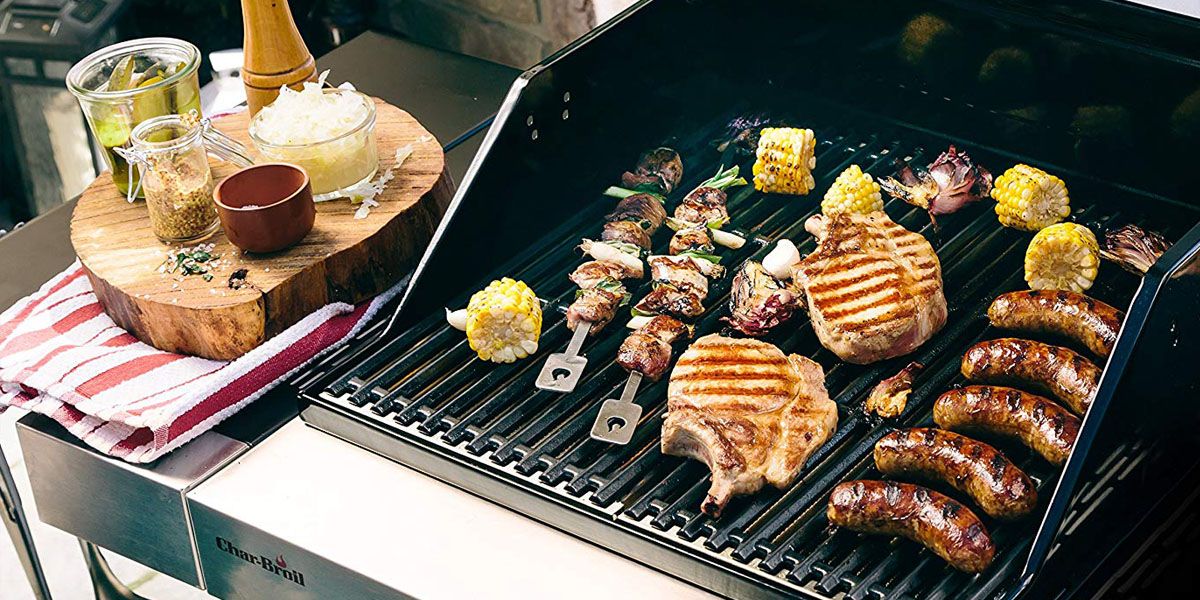
 For outdoor grilling aficionados there is an age-old debate: which is better, gas grills or charcoal grills? Many swear by the unique, wood-fired taste of charcoal grills, but regardless, gas grills remain extremely popular. So which one is better? Keep reading on for the San Bernardino Handyman team’s opinion…
Convenience The first thing that must be considered when trying to decide which kind of grill is better is convenience. In this regard there is no question: gas grills are definitely more convenient than charcoal grills. Most modern gas grills have a number of innovative features such as push button ignitions, precise temperature control, a consistent heat source, and the means for an easy cleanup. While charcoal grills are more work, many charcoal fans assert that the ritual of preparing the charcoal, lighting it, and tending the fire are a big part of what makes it fun. If that’s the case, while there’s no question that a gas grill is more convenient, some grillers are not looking for convenience when grilling. Price Again, there is a clear winner in this category: charcoal grills. Charcoal grills are considerably cheaper than gas grills, and can be found from $30 to $100, maybe a little more with extra features like additional burners or side tables. On the other hand, gas grills usually start at around $250 and can be found at $1500 on some models. There is simply much more technology that goes into these kinds of grills that accounts for their increased price. You can find budget models at superstores such as Wal-mart if you want to save some money. Taste This is where the debate gets heated (pun intended)- but truthfully, the jury is out on which kind of grilling tastes better. Many barbecue-eaters can’t tell the difference between food grilled on a charcoal vs. gas grill, while many charcoal purists swear that a charcoal grill has a noticeably better flavor. There are some newer models that incorporate ceramic flavor bars (patented by grill company Weber) that catch grease drippings and vaporize them in the heat, creating flavorful smoke that seeps extra flavor into whatever you’re grilling. While the debate rages on- it’s for you to decide: can you taste a difference, or does the food taste the same regardless? If you really can’t decide, you can always buy both a charcoal AND a gas grill. That way, you can get the best of both worlds: convenience when you need it, and a more authentic grilling experience when you have the time. If you need to purchase one grill first, consider your budget, required level of convenience, and taste buds. Ultimately, it’s up to you and your family to decide which way to go, as the debate rages on. Happy grilling! 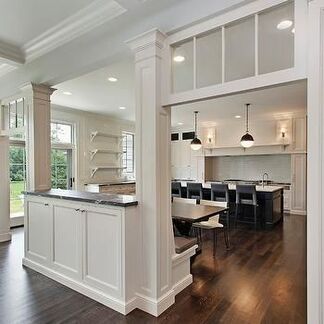 As the name suggests, a load-bearing wall is a wall that is an active part of the structure of the building, meaning that it bears the weight of the elements above the wall. It’s important to know which walls in your structure are load bearing because you don’t want to get rid of those, it could cause a major problem! Load bearing walls support the structure all the way to the roof, so it’s incredibly important to ensure that the wall isn’t load bearing before you demolish it. So, how do you tell which wall is load bearing in your home or building?
How to Remove a Load Bearing Wall While removing a non-load bearing wall is much easier, a load bearing wall can be removed, you just have to be careful. Definitely consult a proper engineer or licensed builder before attempting to do so. Before an expert takes a look, know that you might need a permit, as some municipalities require one if walls are being replaced or taken down. You will definitely need to be prepared with placement support to take on the load that the wall was previously carrying. Always remember that removing a load bearing wall is dangerous and should only be done under expert supervision. Instead of removing a load bearing wall, you can hire a handyman to help you create a pass-thru opening. These attractive openings are common in kitchens and give the space a much more open feel. Call San Bernardino Handyman today to talk about this, or any other home renovation projects! |
AuthorFor home advice, innovations, and news for San Bernardino residents, trust San Bernardino Handyman! ArchivesCategories |

 RSS Feed